
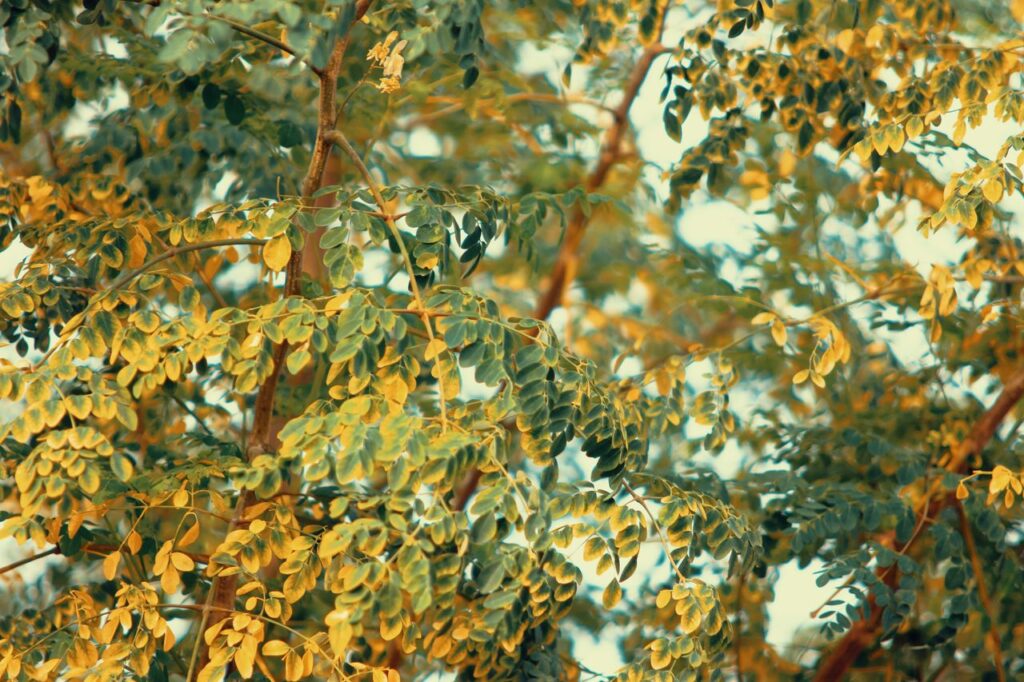
There is a tree that grows where almost nothing else will. Its leaves are used to help feed malnourished children. Its crushed seeds can clear muddy river water. Its oil scented perfumes in the ancient world. In Senegal, one of its names, nébéday, is said to come from the English words “never die.”
If you’re looking for the best moringa supplements for women over 50, that story is a good place to start, because it’s true. But you also deserve to know exactly where the legend ends and the science begins. Moringa leaf is a genuinely nutritious plant food. The human research on its health benefits, though, is thinner than most labels suggest. This guide gives you both halves of the truth, plus the five products that hold up best.
Pura Vida Organic Moringa Capsules
Pure, USDA Organic moringa leaf powder from a single farm in the Americas, in a taste-free capsule, with batch testing for heavy metals.
⏱️ The 30-Second Version
- What it is: a nutrient-dense leaf powder, rich in plant compounds, iron, calcium and vitamins. Think of it as a concentrated green food, not a medicine.
- What the research shows: small trials suggest it may lower blood sugar a little. But the newest and most rigorous review found no consistent benefit for cholesterol, weight or blood pressure, and rated the evidence “very low.”
- For menopause: no study shows moringa relieves hot flashes or other symptoms.
- Check first if you take diabetes, blood pressure or thyroid medicine. Moringa can interact with all three.
- Buy leaf powder only, organic and third-party tested. Never root or bark.
Maybe you’ve seen moringa called a “miracle tree” and wondered if it’s worth adding to your morning. It might be, as long as you know what you’re actually getting: a very good green food with a remarkable history, not a cure for anything.
📋 What’s in This Guide
The Tree They Call “Never Die”
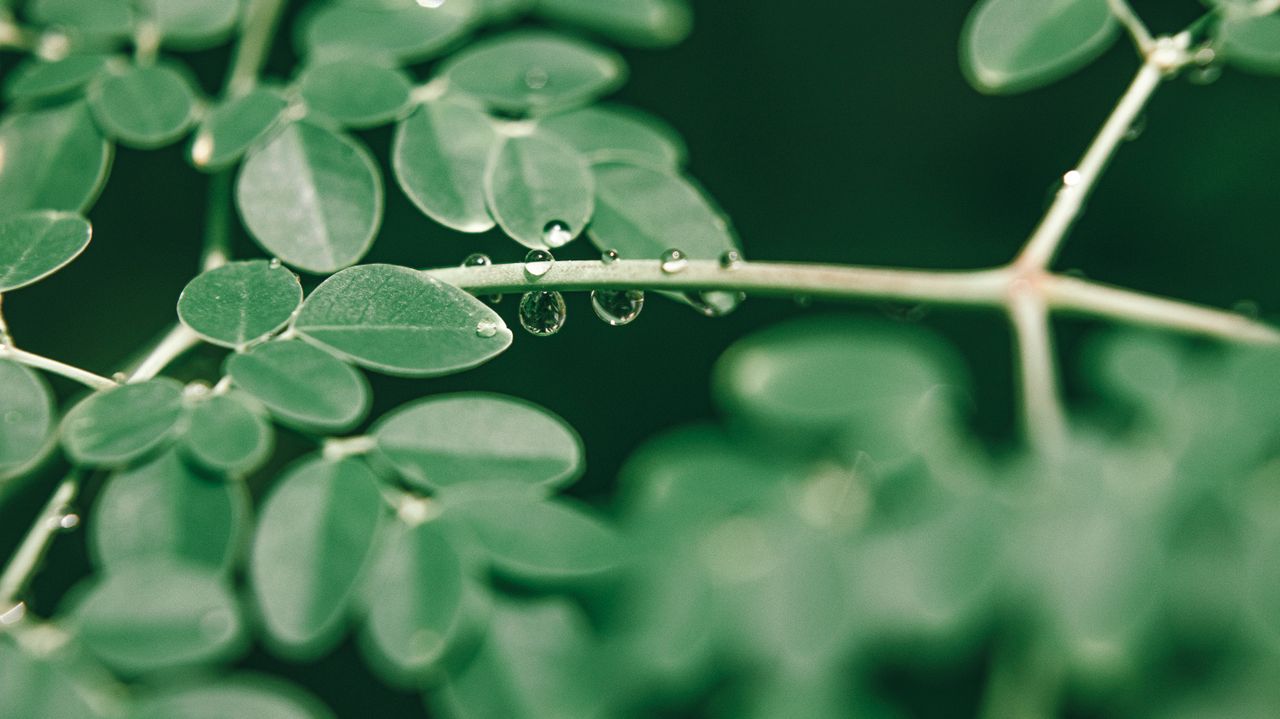
A tree that survives drought. Moringa oleifera is native to the foothills of the Himalayas and now grows across dry parts of Africa, Asia and Latin America. Its deep roots let it stay green when other crops fail, which is why agricultural groups promote it as a food for hungry seasons.
Seeds that clear water. Crushed moringa seeds act as a natural coagulant. Stirred into cloudy water, they help particles and bacteria settle to the bottom. In one study, the treatment cut bacteria by 90% to 99.99% within the first hour or two, although some bacteria could grow back later. That’s why it’s considered a first step, not complete purification. Women along the Nile in Sudan have long used traditional methods, including crushed moringa seeds, to clear river water during the flood season.
Leaves that feed families. Dried moringa leaves are cheap, keep without refrigeration and can be stirred into porridge or sauces. That’s why humanitarian programs in several countries have promoted them for families at risk of malnutrition.
And a famous fan. In his last years, Fidel Castro became an enthusiastic promoter of moringa. He grew it, wrote about it and pushed for Cuba to cultivate it on a large scale. By 2015, NPR was asking whether moringa was “the new kale.”
What Moringa Actually Is
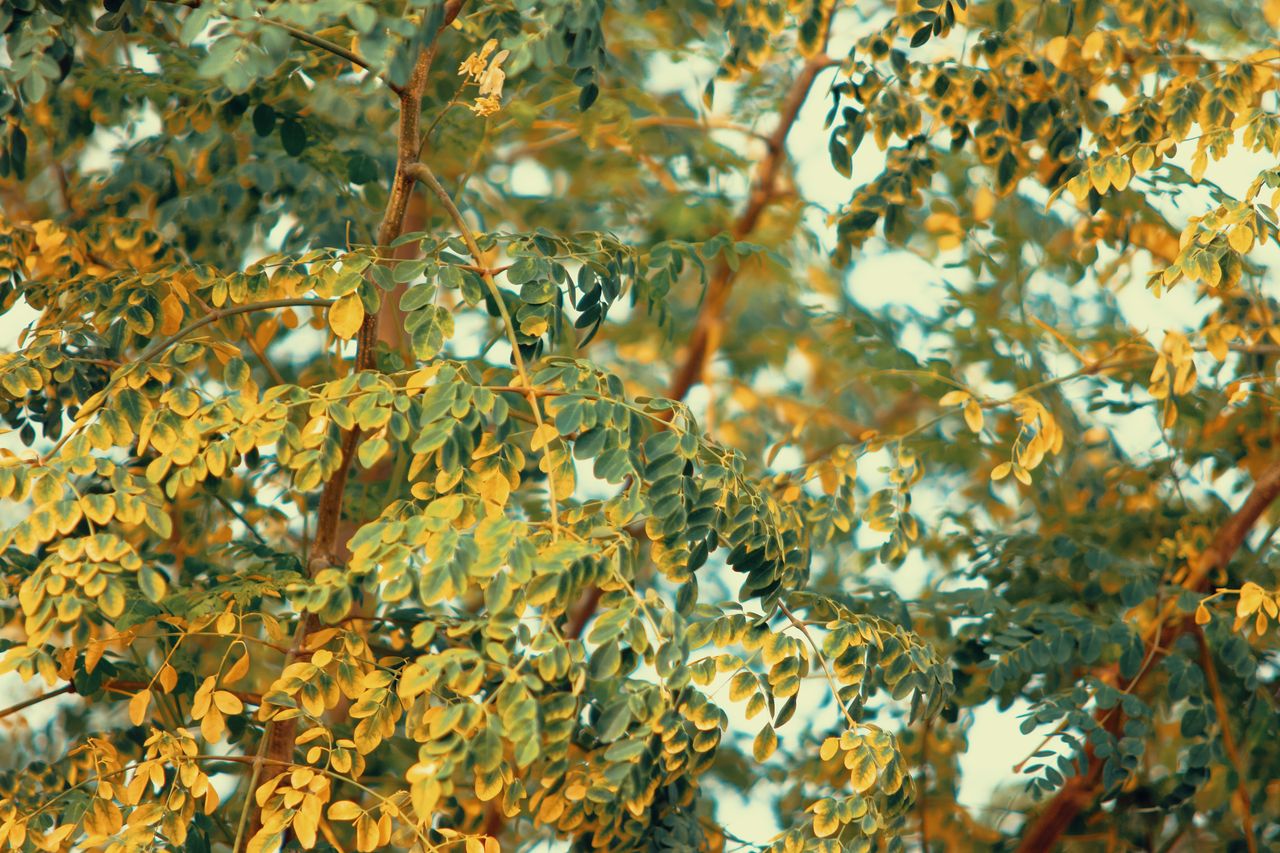
Moringa supplements are made from the dried leaves of the moringa tree, also called the drumstick tree. Gram for gram, the leaves contain protein, fiber, iron, calcium, potassium, vitamin A, vitamin C and plant compounds such as quercetin. You’ll often see claims that moringa has “more calcium than milk” or “more vitamin C than oranges.” Those comparisons are usually made by dry weight, and a teaspoon or two of powder, or a few capsules, provides only a modest amount of any single nutrient.
The part of the plant matters. The leaf is the part people eat as food and the part used in most human studies. The root and bark are different: they contain compounds that can cause uterine contractions and are considered possibly unsafe. Always choose a product that clearly says leaf.
Moringa leaf is also different from moringa seed oil, which is used on skin and hair. If that’s what you’re interested in, see our guide to moringa oil for skin.
The Plant Compounds Inside Moringa
Here’s what makes moringa scientifically interesting, and it isn’t just vitamins. Like apples, citrus, tea and broccoli, moringa leaves are full of phytochemicals: natural compounds plants make to protect themselves from sun, pests and stress. Scientists have identified several in moringa leaves:
- Quercetin: a flavonoid also found in apple skins, onions and tea, widely studied for its antioxidant and anti-inflammatory activity
- Chlorogenic acid: a polyphenol best known from coffee, studied for its effects on blood sugar metabolism
- Moringin (glucomoringin isothiocyanate): moringa’s rarest treasure. It belongs to the same family of compounds as sulforaphane, the much-studied compound in broccoli sprouts, and forms when the leaves’ natural enzymes go to work. Johns Hopkins researcher Jed Fahey, who studies both, has said moringin is more active than sulforaphane in some lab tests and less active in others.
- Carotenoids and vitamin C: including beta-carotene, the plant form of vitamin A
EVIDENCE: MOSTLY LAB AND ANIMAL STUDIES
Most of what we know about these compounds’ effects comes from lab and animal research, and many phytochemicals are only partly absorbed by the human body. There’s also an important lesson from history: when scientists took beta-carotene out of vegetables and gave it as high-dose pills to people at high risk, mostly smokers, two large trials found more lung cancer, not less.
Curious why an apple, a cup of green tea and a moringa leaf all protect you in different ways? The colors of plants are a clue to the compounds inside them. We explain how it works, simply, in The Why Behind It, our series on the science behind what you eat and take.
What the Science Really Shows
Moringa is surrounded by more hype than almost any other supplement, so here’s exactly what has been tested in people, with our evidence labels.
Blood sugar
EVIDENCE: WEAK BUT PROMISING
A 2021 meta-analysis in Pharmacognosy Magazine pooled seven small trials (not all of them randomized) with 257 people and found that moringa lowered fasting blood sugar by about 15 mg/dL. The trials lasted 4 to 13 weeks, and the authors noted that long-term benefits and safety still need to be established. Total cholesterol did not change significantly in that analysis.
Cholesterol, blood pressure and weight
EVIDENCE: VERY LOW
The most rigorous review so far, a 2025 meta-analysis in Nutrients, pooled nine randomized trials with more than 600 people. Only one result, diastolic blood pressure, reached significance, and it disappeared when the researchers checked how robust it was. Cholesterol, fasting glucose, HbA1c, weight and waist size showed no consistent improvement, and the authors rated the certainty of the evidence as very low for every outcome. They concluded that moringa shouldn’t be used as a standalone strategy for heart or metabolic health.
The study in postmenopausal women
EVIDENCE: SMALL STUDY
One study from India gave 90 postmenopausal women either 7 grams a day of moringa leaf powder, 9 grams a day of amaranth leaf powder, or nothing for three months. The moringa group had higher blood levels of vitamin C and vitamin A, lower markers of oxidative stress and lower fasting blood sugar. Amaranth leaves produced similar, slightly smaller changes, so the effect may simply come from eating more leafy greens. It’s interesting, and it was done in our exact age group, but the study was small and not described as randomized or blinded, and 7 grams is far more than most capsule products provide.
Energy, immunity and “detox”
EVIDENCE: NOT STUDIED WELL
Labels often promise energy, immune support or detox. We found no good human trials showing moringa does any of these in healthy adults. If you feel more energetic, it’s more likely from eating more greens overall than from anything unique to moringa.
Moringa After 50 and Menopause
Here’s where moringa may genuinely fit, and where it doesn’t.
- A concentrated green food: if you struggle to eat enough vegetables, a spoonful of moringa powder in a smoothie adds fiber, plant compounds and small amounts of iron and calcium.
- Possible small help with blood sugar: worth knowing, especially since blood sugar tends to rise after menopause. But it’s no substitute for medication or lifestyle changes, and it’s a reason for caution if you take diabetes medicine.
- Menopause symptoms: moringa is not a hormone and has no proven effect on hot flashes, night sweats or mood. For symptom relief, see our menopause supplements guide.
- Bones: moringa’s calcium is a nice bonus, but a few grams of powder won’t replace a calcium-rich diet or a supplement your doctor recommends.
Do You Recognize Yourself?
Moringa may be worth trying, after checking the safety section below, if:
- You want a whole-food green to add to smoothies or meals
- You eat few vegetables and want an easy way to add more plant foods
- You follow a plant-based diet and like the idea of extra plant iron and calcium
- You don’t take diabetes, blood pressure or thyroid medication, or you’ve cleared it with your doctor
Safety First: Who Should Be Careful
Moringa leaf has been used with apparent safety for up to about three months in studies. But “natural” doesn’t mean “right for everyone.”
Talk to your doctor or pharmacist before taking moringa if you:
- Take diabetes medication. Moringa may lower blood sugar, raising the risk of lows.
- Take blood pressure medication. Moringa may add to its effect.
- Take levothyroxine for your thyroid. Moringa may reduce how much you absorb, so take them several hours apart and ask your doctor.
- Take medicines broken down by the liver enzyme CYP3A4 (some statins, antifungals and others). Moringa may slow how quickly your body clears them.
- Take blood thinners, are having cancer treatment, or have surgery coming up. Check with your care team first.
- Have had kidney stones. Many leafy greens contain oxalates, so ask your doctor whether a concentrated green powder is right for you.
Never use root or bark products. They’re considered possibly unsafe. The most common side effects of leaf powder are mild: an upset stomach, loose stools or a laxative effect, usually from its fiber. Starting low and taking it with food helps.
What to Look for in a Moringa Supplement
Leaf only. The label should say “moringa leaf” or “Moringa oleifera leaf.”
Organic and third-party tested. Leafy powders can absorb heavy metals from soil, so batch testing matters more here than for many supplements.
Single ingredient and clear dose. Avoid proprietary blends that hide how much moringa you’re getting.
Powder or capsule, honestly compared. Studies usually used several grams of leaf powder a day. Most capsules hold 500 mg, so matching a research dose can take many capsules. Powder makes it easier to reach those amounts.
Be cautious with “extra strength” extracts. Concentrated extracts aren’t what most studies tested.
Top 5 Best Moringa Supplements for Women Over 50
We chose these by checking each label for leaf-only sourcing, organic certification, third-party testing, dose and form. Details come from each product’s listing at the time of writing. Brands do change formulas, so check the current label before you buy.
1. Pura Vida Organic Moringa Capsules — Best Overall
What we love:
- Pure organic moringa leaf powder with no fillers or flow agents
- Single-origin leaves from a farm in the Americas, packaged soon after harvest, according to the brand
- Third-party tested up to four times per batch, including heavy metals, according to the brand
- Capsules skip moringa’s strong, grassy taste, the biggest reason people give up on the powder
Worth noting: At 500 mg per capsule, you’d need many capsules to match the 7 grams used in the postmenopausal study. Capsules are convenient, but they’re an easy way to get a little moringa, not a research dose.
2. Kuli Kuli Pure Organic Moringa Powder — Best Powder
What we love:
- One ingredient: organic moringa leaf, nothing else
- Third-party tested for quality and purity, according to the brand
- Sourced from small farms and women’s farming cooperatives, according to the brand
- Powder makes it easy to reach the gram-level amounts used in studies
- A woman-founded company and one of the best-known moringa brands in the US
Worth noting: Real moringa powder tastes earthy and grassy. It’s best in a fruit smoothie or with citrus, and the brand suggests building up to a full serving slowly. Some retailers show a California Prop 65 warning for lead, which is common for leafy plant powders grown in soil, so keep to the serving size.
3. Pura Vida Organic Moringa Powder — Best Single-Origin Powder
What we love:
- 100% moringa leaf powder
- Hand-picked leaves from a single farm, according to the brand
- Third-party tested for purity, with certificates available on request
- A fine texture that blends into smoothies, oatmeal and soups
Worth noting: It costs more per ounce than many powders, and like all moringa it has a strong taste and can stain.
4. Fresh Healthcare Moringa Capsules — Best Value Capsule
What we love:
- 100% moringa leaf powder in capsules, with no added fillers, according to the brand
- Third-party tested, according to the brand
- A 90-day supply per bottle keeps the daily cost low
- Gluten free and vegetarian-friendly
Worth noting: It isn’t certified organic, and the brand’s energy claims aren’t backed by research. As with any capsule, 1,000 mg a day is a modest amount.
5. Zazzee Organic Moringa 20:1 Extract — Best Concentrated Option
What we love:
- A 20:1 extract, meaning the leaf is concentrated before it goes into the capsule
- USDA Organic and Kosher, with a vegan capsule
- Free of the major allergens, according to the brand
- A large bottle that lasts for months
Worth noting: The human studies used plain leaf powder, not extracts, so we can’t assume the same results. “20 times stronger” is the brand’s description of concentration, not proof it works better. Extracts can also concentrate unwanted compounds along with the useful ones.
Quick Comparison Table
| Product | Form | Leaf type | Organic | Third-party tested | Best For |
|---|---|---|---|---|---|
| Pura Vida Capsules | Capsule, 500 mg | Leaf powder | Yes | Yes (brand) | Best overall |
| Kuli Kuli Powder | Powder | Leaf powder | Yes | Yes (brand) | Best powder |
| Pura Vida Powder | Powder | Leaf powder | Yes | Yes (brand) | Single-origin powder |
| Fresh Healthcare | Capsule, 500 mg | Leaf powder | No | Yes (brand) | Best value |
| Zazzee 20:1 | Capsule | Leaf extract | Yes | Yes (brand) | Fewer capsules |
Popular Products We Didn’t Pick (and Why)
- “Moringa blends” with 10+ superfoods: you can’t tell how much moringa you’re getting.
- Products that don’t say “leaf”: if the plant part isn’t stated, skip it.
- Moringa “weight loss” or “detox” formulas: the research doesn’t support either claim.
- Moringa gummies: usually tiny doses with added sugar.
How to Take Moringa
Start low. Begin with about half a teaspoon of powder or one capsule a day and build up over a week or two.
Take it with food. Its fiber is easier on your stomach with a meal.
Mix it well. Banana, mango, berries or a squeeze of citrus hide the grassy taste much better than water.
Separate it from thyroid medicine. Take levothyroxine on its own, as directed, and moringa several hours later.
Re-evaluate after about three months. That’s roughly how long studies used it safely. If you can’t tell any difference, a plate of leafy greens may serve you just as well.
Frequently Asked Questions
What is the best moringa supplement for women over 50?
For convenience, a pure organic leaf capsule like Pura Vida Moringa Capsules is our top pick. If you want to reach the gram-level amounts used in studies, a pure leaf powder like Kuli Kuli is easier. Either way, choose leaf only, organic and third-party tested.
Is moringa really a “miracle tree”?
Not in the medical sense. It’s a remarkably useful tree and a nutrient-dense food, but the human research on its health benefits is limited, and the most rigorous review rated that evidence as very low. “Miracle” is marketing language.
Can moringa help with menopause symptoms?
There’s no evidence that it does. Moringa isn’t a hormone and hasn’t been shown to reduce hot flashes or night sweats. The one study in postmenopausal women measured blood markers, not symptoms. See our menopause supplements guide for options with direct research.
Does moringa lower blood sugar or cholesterol?
It may lower blood sugar slightly, based on small trials. Cholesterol results have been inconsistent, and the most rigorous 2025 review found no reliable improvement. If you take diabetes medication, talk to your doctor first, because moringa could add to its effect.
How is moringa different from spirulina or chlorella?
All three are green supplements, but they’re different organisms. Moringa is a tree leaf. Spirulina and chlorella are algae. Some chlorella products contain active B12, though the amount varies widely between products, while moringa is not a meaningful B12 source. Compare them in our chlorella and spirulina guides.
Does moringa give you iron?
It contains plant (non-heme) iron along with vitamin C, which helps absorption. But plant iron is absorbed less efficiently than iron from meat, and a few grams of moringa provide only a modest amount. If you have iron deficiency, follow the treatment your doctor recommends.
Can I take moringa with my medications?
It depends on the medication. Moringa may interact with diabetes medicines, blood pressure medicines, levothyroxine and drugs processed by the liver enzyme CYP3A4. Check with your doctor or pharmacist before you start.
Is moringa leaf safe to take every day?
For most healthy adults, moringa leaf appears safe in food-like amounts, and studies have used it for up to about three months. Long-term safety hasn’t been studied well. Avoid root and bark products, and stop if you have stomach problems or any unusual symptoms.
📚 Where We Got Our Information
Every health claim in this article is backed by a real source. Here’s exactly where our information comes from (and how we choose sources):
Final Verdict
Moringa isn’t a miracle, and we’d rather tell you that honestly than sell you a fantasy. It’s a remarkable tree with a real history of feeding people, and its leaves are a genuinely nutritious green food. The human research suggests it may lower blood sugar a little, but the strongest review found no reliable benefit for cholesterol, weight or blood pressure, and nothing for menopause symptoms.
For the best overall choice, Pura Vida Organic Moringa Capsules give you pure, tested leaf powder without the taste.
If you’d rather use moringa as a food, Kuli Kuli is our favorite powder, and Pura Vida Moringa Powder is a premium single-origin alternative.
On a budget, Fresh Healthcare is a sensible capsule, and if you want fewer capsules, Zazzee 20:1 is the concentrated option, keeping in mind that extracts weren’t what the studies tested.
Whichever you choose, buy leaf only, start low, and talk to your doctor first if you take medicine for diabetes, blood pressure or your thyroid. Then enjoy it for what it is: a green food from a tree that has kept people going for a very long time. ❤️